

Colleges of Canada
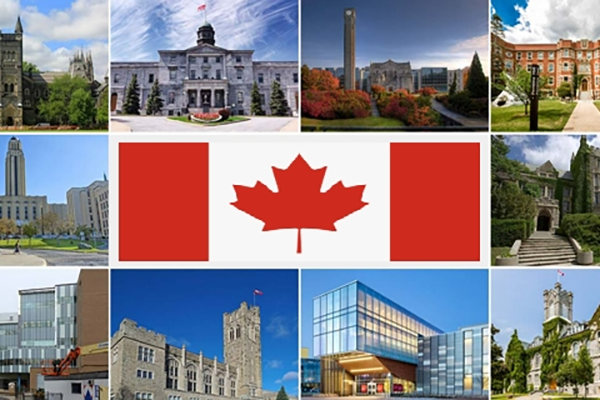
About Colleges of Canada 2026-2027
Exploring the Colleges of Canada provides an incredible start to your international education journey. Students worldwide choose these institutions for their practical, career-focused programs. We understand that moving to a new country feels overwhelming initially. Our expert team simplifies this exciting transition for you completely. When you research About Canada, you will discover a welcoming, safe environment. Deciding to Study in Canada changes your future career prospects forever.
Executive Summary: Why Choose Colleges of Canada?
The Colleges of Canada offer a unique, highly practical educational experience. Universities often focus on deep theoretical research and long degree programs. However, colleges focus strictly on hands-on training and immediate job readiness. Employers across the country respect college diplomas and applied degrees deeply. You gain specific skills that the modern workforce demands right now.
Many international students prefer the fast-paced nature of college programs. You can complete a diploma in just two or three years. This shorter timeframe saves you significant money on tuition and living costs. Graduates often find excellent jobs immediately after finishing their college studies.
Regional Differences across the Colleges of Canada
Every Canadian region offers a completely different student experience. You must choose a location that fits your personal and professional goals.
Ontario and the Business Hubs
Ontario hosts some of the largest and most famous Colleges of Canada. Cities like Toronto and Ottawa offer massive networking opportunities for ambitious students. The finance, technology, and healthcare sectors constantly seek new college graduates here.
British Columbia and Coastal Living
British Columbia provides stunning mountain views and a very mild climate. Vancouver features many excellent colleges focusing on green technology and digital media. You will enjoy an active, outdoor lifestyle while completing your studies.
The French Connection in Quebec
Quebec offers a rich, bilingual culture completely unique in North America. Montreal hosts excellent technical colleges known locally as CEGEPs. You can study in English while easily learning French in your daily life.
Opportunities in the Atlantic Provinces
The Atlantic provinces offer a very friendly, close-knit community atmosphere. Cities like Halifax provide highly affordable living options for international students. Colleges here focus heavily on ocean technology, nursing, and marine sciences.
Cost Analysis for Colleges of Canada
Understanding your financial requirements helps you plan your educational journey successfully. The Colleges of Canada generally cost less than large traditional universities.
Average Tuition Fees
International tuition fees remain competitive compared to other English-speaking countries. You should expect to pay between $15,000 CAD and $20,000 CAD annually. Highly specialized technical programs might cost slightly more than standard business diplomas.
Daily Living Expenses
Your daily living costs depend heavily on your chosen Canadian city. Toronto and Vancouver represent the most expensive cities for student housing. You should budget approximately $1,500 CAD to $2,500 CAD every single month.
This monthly budget covers your rent, groceries, public transportation, and winter clothing. Sharing an apartment with other students reduces your housing costs significantly.
Legal and Visa Integration Guide
You must secure a valid Study Permit to attend the Colleges of Canada. The Canadian government strictly regulates this immigration process for all international students.
Step-by-Step Study Permit Process
First, you must receive an official Letter of Acceptance from a designated college. Second, you must gather a Provincial Attestation Letter if your province requires one. Third, you must prepare robust financial documents proving you have enough money.
Financial Requirements and Proof of Funds
The government requires strict proof of financial support before approving your visa. You must show enough money to cover your first-year tuition fees entirely. You must also prove you possess at least $20,635 CAD for living expenses. Most students purchase a Guaranteed Investment Certificate from a recognized Canadian bank.
Finally, you submit your complete application online through the official government portal. You must follow every rule perfectly to avoid application delays or rejections.
Important Academic and Administrative Deadlines
Missing important deadlines causes unnecessary stress for new international students. You must manage your calendar carefully when attending the Colleges of Canada.
General Academic Calendar
Canadian colleges usually offer three main intakes throughout the academic year. The massive Fall intake begins in September and offers all program choices. You should submit your Fall applications between October and February.
The Winter intake starts in January and serves as a secondary entry point. The Spring intake begins in May but offers very limited program options.
Social Insurance Number and Healthcare
You must apply for your Social Insurance Number immediately after arriving. Service Canada issues this free number so you can work legally.
You must also secure your provincial healthcare coverage without any delay. Provinces like British Columbia and Ontario enforce a strict three-month waiting period. You must purchase private emergency health insurance to cover these initial three months.
Work Rights While Attending Colleges of Canada
Gaining Canadian work experience represents a massive advantage for international students. The government provides generous work rights while you attend the Colleges of Canada.
Working During Your Studies
The Canadian government allows most international students to work off-campus legally. You can work part-time hours during your regular academic semesters. You may work full-time hours during scheduled academic breaks like summer holidays.
This income helps you manage your living expenses comfortably. Local work experience also improves your resume for future Canadian employers significantly.
Post-Graduation Work Permit (PGWP)
Graduating from eligible Colleges of Canada unlocks incredible future career pathways. You can apply for a Post-Graduation Work Permit after completing your program. This valuable permit allows you to work full-time anywhere in the country.
The length of your work permit depends directly on your program length. Gaining this Canadian work experience helps you apply for permanent residency later.
Top 5 Student Cities Comparison
We created this chart to help you compare popular Canadian study destinations easily. Review this data carefully before selecting your ideal college location.
| City | Average Monthly Living Cost (CAD) | Top Industry Focus | Climate (Average Temperature) |
| Toronto, Ontario | $2,000 – $2,800 | Finance and Technology | Summer 25°C / Winter -5°C |
| Vancouver, British Columbia | $2,200 – $3,000 | Green Tech and Film | Summer 22°C / Winter 5°C |
| Montreal, Quebec | $1,500 – $2,000 | AI and Aerospace | Summer 26°C / Winter -10°C |
| Calgary, Alberta | $1,600 – $2,200 | Energy and Engineering | Summer 23°C / Winter -12°C |
| Halifax, Nova Scotia | $1,500 – $1,900 | Ocean Tech and Nursing | Summer 23°C / Winter -4°C |
Export to Sheets
Frequently Asked Questions About Colleges of Canada
1. Why do employers prefer graduates from the Colleges of Canada?
Colleges focus heavily on practical, hands-on training rather than pure academic theory. Employers love hiring graduates who possess immediate, job-ready skills for the modern workplace.
2. Can I transfer from a college to a university later?
Yes, many colleges offer specific university transfer programs for international students. You can complete a two-year diploma and transfer those credits to a university successfully.
3. Do I need an English proficiency test to apply?
Yes, you must prove your English skills to attend the Colleges of Canada. Most institutions accept official scores from IELTS, TOEFL, or the Duolingo English Test.
4. Can my spouse work while I attend college?
Yes, your spouse can often apply for an Open Work Permit safely. They can work full-time in Canada while you complete your academic studies.
5. Are there scholarships available at the Colleges of Canada?
Yes, many colleges offer specific entrance scholarships for high-achieving international students. The government also provides financial awards based on strict academic merit.
Start Your Journey with CIS Group
Canada International Study Group (CIS Group) acts as your ultimate global bridge. We connect ambitious international students with the top Colleges of Canada safely. Our expert advisors simplify your entire admission and visa integration process completely.
We help you navigate this complex journey with professional, empathetic guidance. Do not attempt to secure your international future completely alone. Contact our dedicated team today to start planning your Canadian education securely.
Acsenda School of Management
Alexander College
Arbutus College
Brighton College
Eton College
Hermes Colleges Network
Institute of Technology Development of Canada (ITD)
Royal Bridge College (RBC)
SELC College
St. Lawrence College
Toronto Film School
VanWest College